Prosthodontist (Prosthodontics)
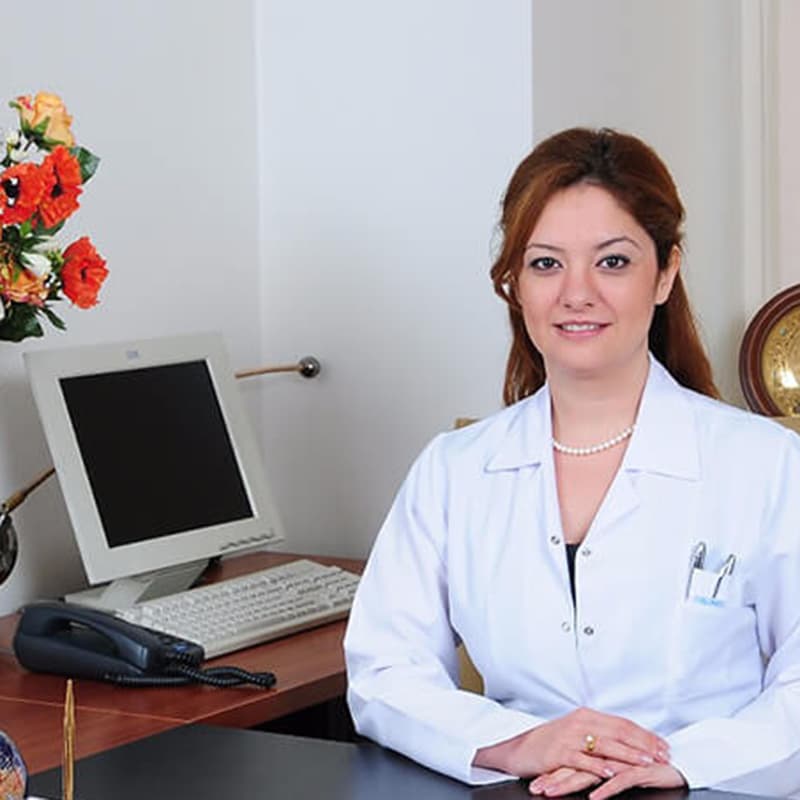
Dr. Dirim Bozok
Born in Mersin in 1975. He graduated from Hacettepe University Faculty of Dentistry in 1999; while working as a research assistant in the same faculty's Department of Prosthodontics for 5.5 years, he completed his doctorate and received his PhD degree in 2006 with a thesis on implant-supported prostheses. He has been working privately in Istanbul since 2006.
Education and academic background
1993
İçel Anadolu High School
1999
Hacettepe University Faculty of Dentistry, dental degree
1999–2006
Hacettepe University Faculty of Dentistry, Department of Prosthodontics, doctorate program and 5.5 years as a research assistant
2006
Doctorate (PhD), thesis topic: implant-supported prostheses
2006–
Private practice, Istanbul
Professional areas of interest
- Implant-supported restorations and fixed/removable prostheses
- Anterior aesthetic restorations (porcelain laminate veneers, zirconia crowns, glass-ceramic)
- Treatment of temporomandibular joint (jaw joint) disorders
Languages
Turkish, English
Outside the profession
In his free time, he enjoys playing the piano and painting.
“Let the nature do its work.”
Treatment approach
Throughout his professional life, Dr. Dirim Bozok has made it a principle to allow the necessary time for bone and gum healing rather than compressing treatments into short periods; this approach is known internationally today as slow dentistry. During the healing period, the patient's social life continues with provisional prostheses and restorations.
Dr. Dirim Bozok approaches prosthodontic and aesthetic treatments with ethical and academic principles and accurate, individual planning; the goal is permanent prostheses that are compatible with oral health, long-lasting, and that meet the patient's expectations. At the practice, all dental treatments are planned on an individual basis.
Content medically reviewed by him
Treatment and guide content on the site will be listed here as it passes Dr. Dirim Bozok's medical review. Currently, 3 treatment pages and guide articles are undergoing review.
Examination and assessment
Which treatment is suitable for you is decided together after an oral examination and, if needed, radiographic assessment.